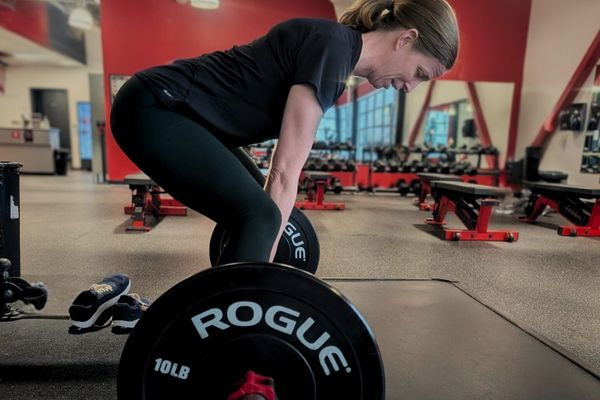
Should you deadlift?
A practical guide to deciding whether pulling from the floor fits your body, mobility, and training goals.
Not everyone feels confident pulling a heavy barbell from the floor.
Most fitness advice says to push through.
But ignoring that hesitation is often how a simple workout becomes a long-term injury.
The deadlift is often called the king of exercises.
But it isn’t mandatory.
Yes, it’s a powerful lift.
But if you're 40+, the goal isn’t chasing powerlifting numbers.
The goal is longevity — being able to pick up your kids, luggage, or a bag of mulch without throwing your back out.
That requires looking at the risk-to-reward ratio of every movement you do.
For some people, the deadlift delivers huge benefits.
For others, the mobility, posture, and focus required to do it safely make it a poor fit — especially after a long day at a desk or when fatigue is high.
The good news is simple:
You can build a strong back and powerful hips without pulling a barbell from the floor.
Who Should Deadlift
Deadlifts are one of the most effective compound exercises for building total-body strength.
They train the glutes, hamstrings, back, and core while reinforcing the real-life skill of picking objects up safely.
But like any tool, the value depends on whether it fits the person using it.
Mobility, limb length, injury history, training experience, and recovery capacity all influence whether pulling from the floor is the best option — or whether a modified hinge pattern will produce better long-term results.
For many people, small adjustments in range of motion or exercise selection can deliver the same strength benefits with less stress on the spine.
A Simple Self-Assessment
Before loading a bar, ask yourself a few basic questions.
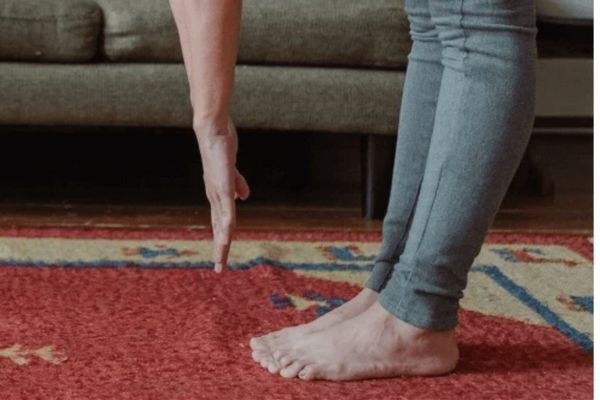
Can you palm the floor with straight legs?
If you can’t reach the floor, your hamstrings and hips may not allow a safe starting position from the ground.
Can you hinge forward while keeping a neutral spine?
A proper deadlift is a hip hinge — not a rounded-back reach.
Can you brace your core and hold posture under tension?
If your spine shifts or rounds when you hinge, the movement isn’t ready to be loaded yet.
Are you restarting or new to lifting?
If yes, give yourself several months of consistency and progression before.
Do you have a history of back pain?
This is a red flag, instead focus on back, glute and hamstrings exercises that don't load the spine.
Remember, these aren’t tests of toughness.
They’re tests of movement readiness.
If one of these breaks down, pulling from the floor simply isn’t the best option right now.
The Day-After Test
Another useful signal is how your body feels the next day.
Deadlifts should challenge your muscles — not leave your spine angry.
Ask yourself a few simple questions the morning after training:
Are your hamstrings or glutes sore?
That’s usually a good sign. Those are the primary muscles doing the work in a hinge pattern.
Is your lower back stiff or aching?
Some mild fatigue can happen, but consistent soreness in the lower back often means the spine is taking too much of the load.
Do you feel worked — or fragile?
A good deadlift session should leave you feeling trained but capable, not cautious about bending over to tie your shoes.
If most of the fatigue shows up in your lower back instead of your hips and hamstrings, it may be a sign that:
• your hinge mechanics need work
• the load is too heavy
• the range of motion is too aggressive for your mobility
In those cases, adjusting the lift or choosing a different variation is often the smarter move.
Practical Deadlift Tips
If deadlifts fit your body and you choose to keep them in your program, a few simple habits can dramatically reduce risk.
Warm up the hinge pattern first
A few sets of kettlebell swings or light Romanian deadlifts help activate the glutes and hamstrings before touching the bar.
Use progressive warm-up sets
Gradually ramp up to your working weight so your nervous system and tissues are ready for the load.
Avoid grinders
If a rep slows dramatically or your position starts to break down, end the set. Grinding reps often lead to rounding and unnecessary spinal stress.
Deadlift when you’re fresh
Heavy pulls require focus and coordination. Doing them at the end of a long workout or after a stressful day increases the chance of poor mechanics.
Keep volume reasonable
Deadlifts are neurologically demanding. Most people benefit more from a few high-quality sets than a large amount of fatigue.
Smarter Ways to Train the Same Pattern
The goal of the deadlift isn’t the barbell.
The goal is training the hinge pattern and building strong glutes, hamstrings, and back.
There are several ways to do that with less stress and better control.
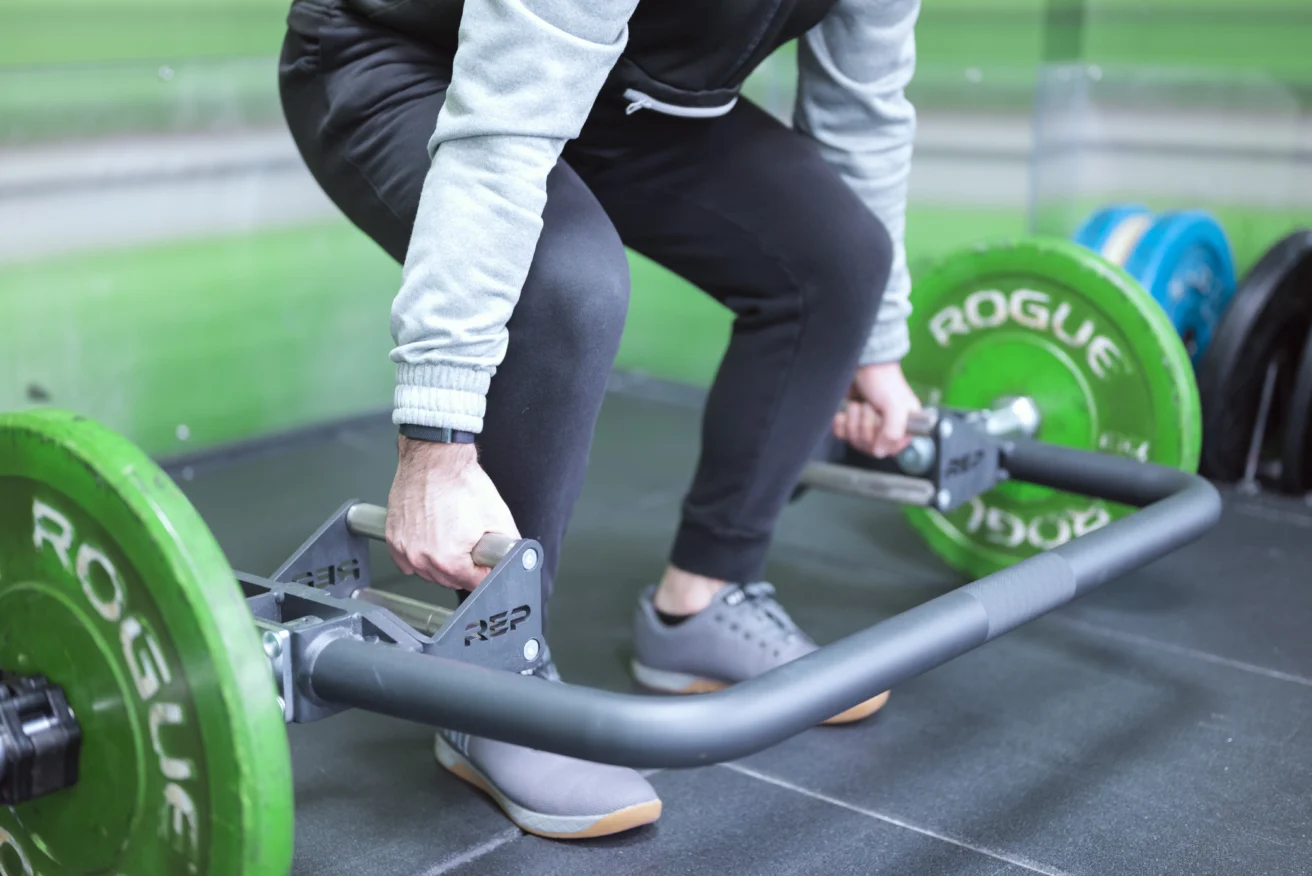
Trap Bar Deadlift
The neutral grip and more upright torso are typically more back-friendly and slightly more quad dominant.
Single-Leg RDL
Great for learning the hinge pattern while improving balance and hip stability.
Rack Pulls
Raising the bar reduces the range of motion — ideal for taller lifters or those with tight hamstrings.
Glute Bridges or Hip Thrusts
Build powerful glutes with minimal load on the lower back.
These options often deliver the same strength benefits with a better risk profile.
The Real Goal
Don’t let gym culture or social media dictate your program.
The best exercise is the one that:
• fits your body
• allows consistent training
• builds strength without beating you up
If a lift makes you feel fragile instead of powerful, it’s probably the wrong tool.
Put the bar down.
Find the movement that lets you train hard and keep showing up tomorrow.
